From Virtual to Reality: How to Ace a Video Interview with a Nigerian Company
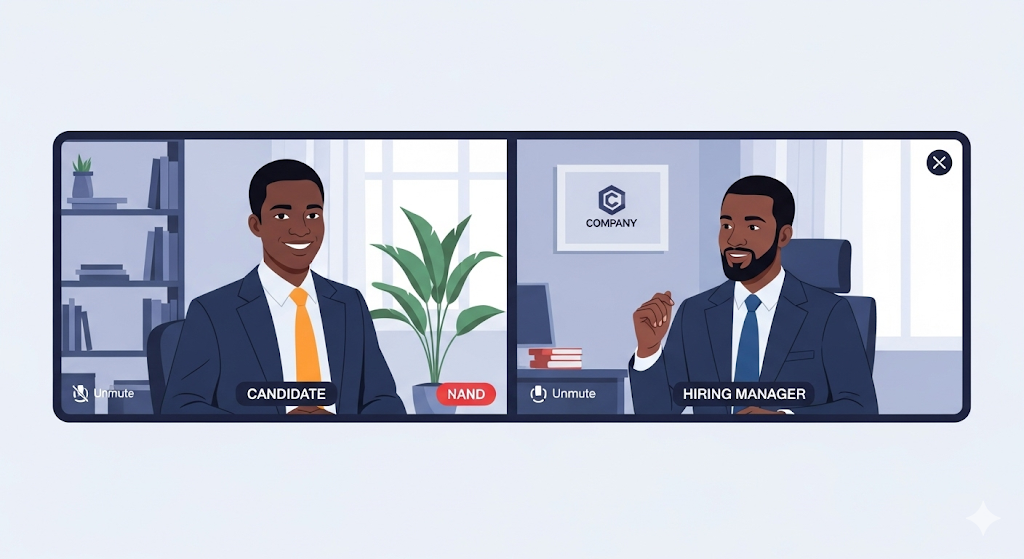
The world of work has changed, and the Nigerian professional landscape has changed with it. Not too long ago, the pinnacle of the job application process was a face-to-face interview in a high-rise office in Lagos or a corporate building in Abuja. Today, your most critical career conversations are increasingly happening through a webcam. Video interviews, once a novelty, are now a standard part of the hiring process for companies across Nigeria, from established banks and multinationals to agile tech startups.
While this shift offers incredible convenience, it also introduces a unique set of challenges, especially within the Nigerian context. A successful video interview isn’t just about answering questions well; it’s a test of your preparation, your technical savviness, and your ability to manage an environment often complicated by the realities of unpredictable power supply (NEPA), fluctuating internet connectivity, and the vibrant, sometimes noisy, backdrop of daily life. An ill-timed power cut or a lagging connection can sabotage the chances of even the most qualified candidate.
However, these challenges also present an opportunity. A candidate who can execute a flawless video interview despite these potential hurdles demonstrates something invaluable to a Nigerian employer: resilience, resourcefulness, and meticulous planning. This guide is your comprehensive battle plan. We will move beyond the generic advice and provide a detailed, Nigeria-specific roadmap to help you master the art of the video interview, ensuring that the only thing the hiring manager remembers is your exceptional talent, not your technical difficulties.
Phase 1: The Pre-Interview Battle Plan (72 Hours Before)
Success in a video interview is 90% preparation. What you do in the days leading up to the call will determine its outcome. Do not leave anything to chance.
Step 1: The Tech Check and Nigerian Contingency Plan
This is the most critical stage. Technology is the medium for your interview, and if it fails, you fail. You must have a primary plan and a backup for everything.
Your Primary Tech Setup:
- Test the Platform: Companies use various platforms like Google Meet, Microsoft Teams, or Zoom. Download the required software well in advance. Do not wait until 5 minutes before the interview. Conduct a test call with a friend to ensure you know how to mute/unmute, share your screen, and turn your camera on/off.
- Check Your Hardware: Use the best device you have. A laptop or desktop computer is almost always better than a phone because it provides a more stable, eye-level view. Test your webcam and microphone. If your laptop’s microphone is weak, a simple headset with a mic can dramatically improve your audio quality.
- Assess Your Internet: Run an internet speed test (like speedtest.net) at the same time of day as your scheduled interview to get a realistic idea of its performance.
Your Nigerian Backup Plan (Non-Negotiable):
- Power (The NEPA Factor): Assume the power will go out. Have your laptop and phone fully charged. If you have a generator or inverter, ensure it’s fueled or charged and ready to go. A fully charged power bank for your internet router or phone is a life-saver. It’s wise to politely inform the recruiter at the start of the call if you are in an area with power issues, saying something like, “Just to let you know, I’m fully prepared, but if there’s a brief interruption, it may be due to the power situation in my area. I’ll be right back online.” This shows foresight.
- Internet Connectivity: Unreliable internet is the number one interview killer. You MUST have a backup. If your primary Spectranet or fibre connection is shaky, have a mobile hotspot ready from a different provider (e.g., MTN or Airtel). Purchase a dedicated, high-speed data bundle just for the interview. The ₦2,000 you spend on data could secure you a multi-million Naira job.
Step 2: Setting the Stage – Your Virtual First Impression
Your environment speaks for you before you do. It needs to look and sound professional.
- Location: Find the quietest, most private space in your home. Inform your family or roommates about your interview time to minimize interruptions.
- Background: Your background should be clean, professional, and non-distracting. A plain, neutral-coloured wall is the best option. A neat bookshelf is also acceptable. Remove any personal clutter, laundry piles, or distracting posters. Do a test call and see what your camera actually captures.
- Lighting: Good lighting is crucial. The best source is natural light. Position yourself so that you are facing a window, not with your back to it. If natural light isn’t an option, place a lamp in front of you, behind your laptop. This illuminates your face and prevents you from looking like a silhouette.
- A Note on Virtual Backgrounds: Use them with caution. If your background is unavoidably messy, a subtle, professional virtual background (like a simple office blur) is better than a distracting reality. However, a clean, real background is always superior. Never use novelty backgrounds like beaches or outer space.
Step 3: Mastering Your Message
The content of your answers is still paramount. All the standard interview preparation applies.
- Research: Dive deep into the company’s website, their recent projects in Nigeria, their competitors, and the profiles of the people who will be interviewing you on LinkedIn.
- Prepare Your Pitch: Have a concise, powerful answer prepared for “Tell me about yourself” using the Present-Past-Future model.
- Use the STAR Method: For behavioural questions, prepare 5-6 strong examples of your past achievements using the STAR (Situation, Task, Action, Result) method. Quantify your results wherever possible.
- Prepare Your Questions: Prepare 3-4 insightful questions to ask them at the end. This demonstrates your interest and engagement.
Step 4: Dress for the Job You Want
Dress as you would for an in-person interview at that company. For most Nigerian corporate roles, this means full business professional attire.
- Dress Head-to-Toe: Don’t fall into the trap of wearing a suit jacket with shorts. Dressing professionally from head to toe affects your mindset and posture, helping you feel more confident and prepared.
- Colours and Patterns: Solid, neutral colours like navy, grey, blue, and white look best on camera. Avoid very busy patterns, stripes, or all-black, which can be distracting or cause visual distortion on screen.
Phase 2: The Main Event – Acing the Live Interview
The preparation is done. Now it’s time to perform.
The First 30 Seconds
Log in 5-10 minutes early to ensure everything is working. When the interviewer joins, greet them with a warm, genuine smile. Start by confirming the connection: “Hello, can you see and hear me clearly?” This resolves any potential technical issues immediately.
Virtual Body Language
Non-verbal cues are just as important on video as they are in person.
-
- Eye Contact: This is the trickiest part. To simulate direct eye contact, you need to look at the webcam lens, not at the image of the interviewer on your screen. It feels unnatural at first, so practice it. You can even stick a small arrow next to your camera as a reminder.
- Posture and Presence: Sit up straight in your chair, with your shoulders back. Lean in slightly to show engagement. Keep your hands visible on the desk.
–
- Engage Actively: Nod to show you are listening. Use hand gestures naturally as you speak. A smile goes a long way in building rapport through a screen.
Communication and Etiquette
-
- Speak Clearly: Enunciate your words and speak at a slightly slower, more deliberate pace than you might in person. This helps compensate for any potential audio lag.
- Embrace the Pause: Due to potential delays, it’s easy to accidentally interrupt or speak over the interviewer. Get into the habit of waiting a second or two after they finish speaking before you begin your answer.
- Mute Your Mic: When you are not speaking, mute your microphone. This prevents any unexpected background noise (the neighbour’s generator, a passing okada) from disrupting the conversation.
–
- Handling Interruptions Gracefully: Life happens. If your child runs into the room or your internet briefly drops, don’t panic. Stay calm. Apologize briefly and professionally (“My apologies for that brief interruption”) and then confidently refocus on the conversation. How you handle a moment of pressure can be just as revealing as your answer to a question.
Phase 3: After the Call – The Professional Follow-Up
Your professionalism doesn’t end when the call does. Within 24 hours of your interview, send a concise and personalized thank-you email to the interviewer(s).
- Keep it Brief: Thank them for their time.
- Reiterate Your Interest: Briefly restate your strong interest in the role.
- Reference the Conversation: Mention one specific thing you discussed that you found particularly interesting. This shows you were paying attention.
Conclusion: Turn Virtual Challenges into Real Opportunities
Acing a video interview in Nigeria is a unique blend of professional preparation and pragmatic problem-solving. It requires you to be a skilled communicator, a competent professional, and a savvy technician all at once. By anticipating the challenges, creating robust contingency plans, and focusing on presenting yourself with confidence and clarity, you can turn the virtual format into an advantage. You demonstrate to a potential employer that you are not deterred by obstacles; you are the kind of resourceful, prepared, and resilient individual who thrives in the modern Nigerian workplace. Master these steps, and you will be well on your way to turning that virtual handshake into a real-life job offer.