Beyond Banking and Oil: Exploring Nigeria’s Fastest-Growing Industries
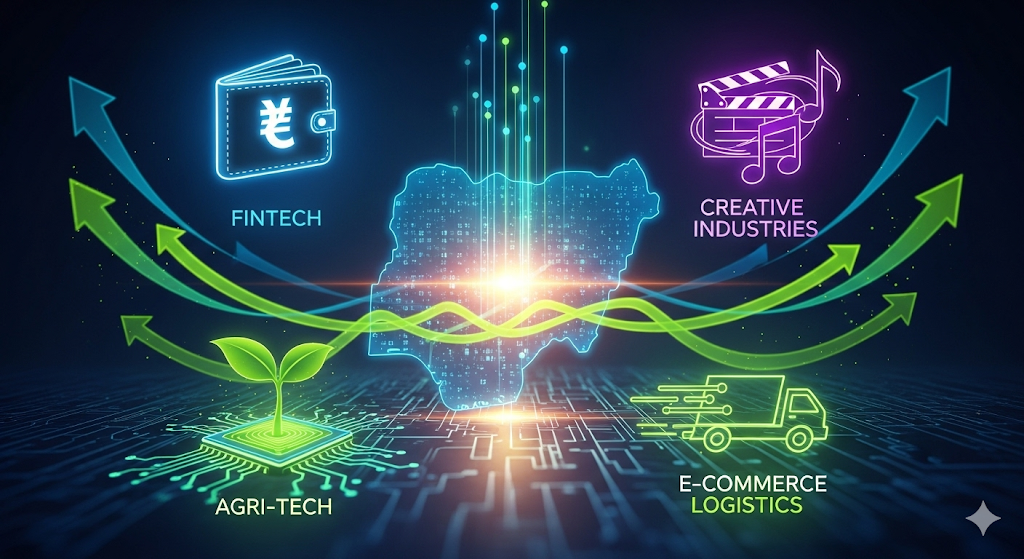
For decades, the narrative of the Nigerian economy, both at home and abroad, has been dominated by two titans: the towering derricks of the oil and gas sector and the polished marble halls of the banking industry. For generations of Nigerian graduates, securing a job in an oil major or a top-tier bank was the pinnacle of professional aspiration—a symbol of stability, prestige, and financial success. While these sectors remain significant pillars of our economy, a quiet but powerful revolution is reshaping Nigeria’s professional landscape. The old story is becoming outdated.
A new, dynamic, and resilient Nigerian economy is rapidly taking shape, driven by technology, innovation, and the sheer ingenuity of its youthful population. This new economy is creating exciting career paths and wealth-generation opportunities in sectors that were barely on the radar a decade ago. For the modern Nigerian job seeker, looking beyond the traditional strongholds of banking and oil is no longer just an alternative; it is a strategic necessity for building a future-proof career. The most exciting, high-growth roles are no longer confined to Port Harcourt or Victoria Island; they are being created in tech hubs, on digital platforms, and in innovative ventures across the country.
This guide will take you on a tour of Nigeria’s new economic frontiers. We will explore the fastest-growing industries that are creating high-value jobs, attracting massive investment, and defining the future of work in our nation. It’s time to update your career map and discover where the real growth lies.
1. Financial Technology (Fintech)
What it is: Fintech is the undisputed champion of Nigeria’s new economy. It refers to any technology used to improve, automate, or disrupt traditional financial services. This includes everything from mobile payments and digital lending to investment apps and blockchain technology.
Why it’s booming in Nigeria: The growth of fintech in Nigeria is a direct response to market needs. With a large, young, and digitally-savvy population, coupled with a significant portion of citizens being historically unbanked or underbanked, fintech companies found a massive gap to fill. They offered something the traditional banks struggled with: accessibility, convenience, and speed. The supportive stance of the Central Bank of Nigeria (CBN) through initiatives like the Open Banking framework has also created a fertile environment for innovation.
Key Players and Success Stories: Nigeria is the fintech capital of Africa. Companies like Paystack (acquired by Stripe for over $200M), Flutterwave (valued in the billions of dollars), Interswitch (Africa’s first tech unicorn), Kuda Bank, and PiggyVest have become household names, demonstrating the immense potential of the sector.
In-Demand Job Roles and Skills:
- Mobile App Developers (Kotlin, Swift, Flutter)
- Product Managers
- UI/UX Designers
- Cybersecurity Analysts
- Data Scientists and Analysts
- Compliance and Regulatory Officers
Future Outlook: The fintech revolution is far from over. The next wave of growth will likely be in areas like blockchain, decentralized finance (DeFi), cross-border payments, and embedded finance (integrating financial services into other apps).
2. The Creative Industries (Nollywood & Afrobeats)
What it is: Nigeria’s creative sector, particularly the film industry (Nollywood) and the music industry (Afrobeats), has transformed from a local cultural phenomenon into a global economic force.
Why it’s booming in Nigeria: The rise of global streaming platforms like Netflix, Amazon Prime Video, and Spotify has been a game-changer. These platforms have provided Nigerian creators with unprecedented access to a global audience and significantly larger production budgets. Nollywood is now one of the largest film industries in the world by volume, and Afrobeats artists like Burna Boy, Wizkid, and Tems are selling out international stadiums and winning Grammy awards. This global recognition has created a vibrant ecosystem of related professions.
Key Players and Success Stories: Streaming giants like Netflix and Amazon Prime Video are investing heavily in local productions. Production houses like EbonyLife Studios are creating world-class content. In music, record labels like Mavin Records continue to produce global superstars.
In-Demand Job Roles and Skills:
- Digital Marketers and Social Media Managers
- Content Strategists
- Film and Video Editors
- Animators and VFX Artists
- Artist and Repertoire (A&R) Managers
- Entertainment Lawyers and Talent Managers
Future Outlook: The growth is set to continue as international investment pours in. The gaming and animation sub-sectors are also poised for significant growth, creating new opportunities for developers and digital artists.
3. E-commerce & Logistics Tech
What it is: E-commerce is the buying and selling of goods online, while logistics tech (Logi-tech) involves using technology to optimize the movement and storage of those goods—the so-called “last mile” delivery.
Why it’s booming in Nigeria: With one of the largest youth populations in the world and increasing internet penetration, Nigeria is a massive consumer market. The convenience of online shopping is undeniable. However, the true enabler of e-commerce growth has been the rise of innovative logistics companies that are solving the complex challenge of delivery in sprawling, often chaotic cities like Lagos. These companies use technology to optimize routes, manage fleets, and provide reliable delivery services.
Key Players and Success Stories: While Jumia and Konga are the established e-commerce giants, the real innovation is in the logistics space. Companies like Kobo360, GIG Logistics (GIGL), and a host of smaller delivery startups are the unsung heroes making e-commerce viable on a large scale.
In-Demand Job Roles and Skills:
- Supply Chain and Logistics Managers
- Data Analysts (for optimizing routes and predicting demand)
- Warehouse Managers
- Digital Marketing and SEO Specialists
- Customer Service Representatives
- Software Engineers (for platform development)
Future Outlook: As internet access spreads further into rural areas and consumer trust in online payments grows, the e-commerce market has enormous potential for further expansion. The logistics sector will continue to be a hotbed of innovation and job creation.
4. Agri-Tech
What it is: Agri-tech is the use of technology and innovation to improve the efficiency and output of agriculture. This includes everything from precision farming and drone technology to online marketplaces connecting farmers to buyers.
Why it’s booming in Nigeria: Agriculture is a cornerstone of the Nigerian economy, but it has long been hampered by inefficiency, poor access to markets, and post-harvest losses. Agri-tech startups are tackling these challenges head-on. They are providing farmers with access to data, financing (crowdfunding platforms), and direct access to larger markets, cutting out predatory middlemen. With growing concerns about food security, the government and investors are increasingly focused on supporting this sector.
Key Players and Success Stories: Companies like Thrive Agric and Farmcrowdy pioneered the crowdfunding model, allowing Nigerians to invest in farms. Others are focused on building supply chain solutions and marketplaces that connect farmers directly to businesses and consumers.
In-Demand Job Roles and Skills:
- Agricultural Economists and Analysts
- Software and Mobile App Developers
- Supply Chain Specialists
- Data Scientists (for analyzing soil, weather, and crop data)
- Marketing and Business Development Managers
Future Outlook: Agri-tech is arguably one of the most socially and economically impactful sectors. As technology becomes cheaper and more accessible, its role in modernizing Nigeria’s most vital industry will only grow.
5. Health Tech
What it is: Health tech involves the use of technology to improve the delivery and accessibility of healthcare services. This includes telemedicine (virtual consultations), digital pharmacy services, electronic health records, and health insurance platforms.
Why it’s booming in Nigeria: Nigeria’s healthcare system faces significant challenges, including a shortage of doctors and poor access to quality care, especially outside major cities. Health-tech startups are stepping in to bridge this gap. Telemedicine platforms allow patients to consult with doctors remotely, while digital pharmacies deliver medication to people’s homes. These innovations are making healthcare more affordable and accessible for millions.
Key Players and Success Stories: Companies like 54gene are doing groundbreaking work in genomics, while others like Helium Health are digitizing hospital records. Telemedicine and digital pharmacy platforms are also gaining significant traction.
In-Demand Job Roles and Skills:
- Healthcare Administrators with tech skills
- Bioinformaticians and Medical Lab Scientists
- Mobile App Developers
- Product Managers
- Digital Marketers with a focus on healthcare
Future Outlook: The health-tech sector is still in its early stages but has massive growth potential. The challenges in the traditional healthcare system are so significant that technology-driven solutions will continue to attract investment and create jobs.
Conclusion: Charting Your Course in Nigeria’s New Economy
The message is clear: the Nigerian economy is diversifying at an incredible pace. While banking and oil & gas will remain important, the days when they were the only paths to a prestigious and lucrative career are over. The future belongs to those who can adapt, learn, and position themselves within these new engines of growth.
For the ambitious Nigerian professional, this is an exciting time. The opportunities are no longer limited by tradition or geography. Whether your passion lies in finance, agriculture, entertainment, or healthcare, there is a technology-driven industry creating a space for you. The key is to remain curious, invest in acquiring relevant digital skills, and be bold enough to look beyond the obvious. Nigeria’s future is being built today, and it’s being built in code, in content, and in innovative ideas that are changing the way we live and work.